Beyond the Megawatt: The Nuclear Solutions Ecosystem for Latin America
To evaluate the nuclear sector for the first time, the debate must go beyond the limits of electricity generation. Nuclear technology is a platform of cross-cutting solutions that offers immediate and scalable applications to address the region's most urgent challenges. Below is the deployment of capabilities structured by strategic sector:
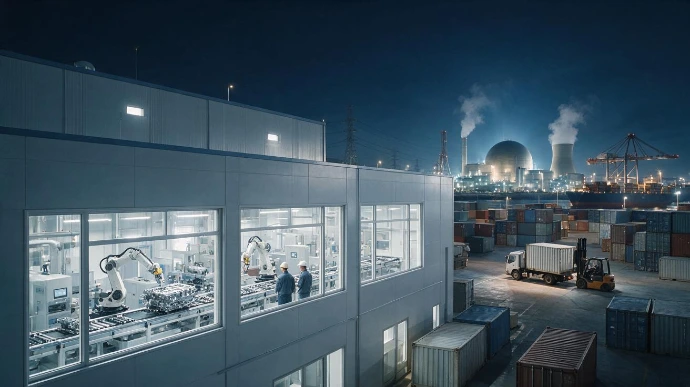
1. Industry: Competitiveness, Continuity, and Export Quality
Nuclear technology isolates the industry from the volatility of fossil fuels and raises international certification standards.
Cogeneration for Mining and Heavy Industry: Uninterrupted supply of clean electricity and high-temperature process heat. Essential for decarbonizing mining refining, steel production, and heavy extraction operations.
Non-Destructive Testing and Industrial Radiography: Inspection of welds, oil pipelines, dams, and aerospace components. Ensures structural integrity in critical works without destroying materials.
Commercial Irradiation for Agro-Exports: Treatment that eliminates pathogens and extends the shelf life of food, facilitating access to international markets with strict phytosanitary regulations without relying on chemicals.
Clean Baseload Energy: 24/7 emission-free operation, ideal for structuring contracts (PPAs) that supply data centers, industrial parks, and supply chains.
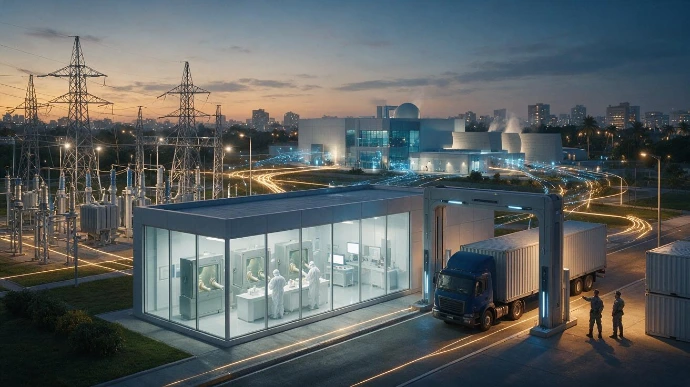
2. Government: Infrastructure, Public Health and National Security
Nuclear applications are public policy tools to ensure strategic resources and technological sovereignty.
Water Security (Desalination and Pumping): Coupling advanced reactors to reverse osmosis plants to desalinate seawater on a massive scale. Its extremely high energy density allows for pumping enormous volumes of freshwater to arid areas or remote communities.
Nuclear Medicine and Health Sovereignty: Regional production of radioisotopes (such as Technetium-99m or Lutetium-177) vital for early diagnosis (PET/SPECT) and targeted oncology therapies, eradicating dependence on short-lived imports.
Food Security (TIE and Plant Breeding): Eradication of pests through the Sterile Insect Technique, and development of mutated crops resistant to extreme droughts and salinity to safeguard agricultural yield against climate change.
Urban Development and District Heating: Deployment of urban heat networks in extreme climate areas, replacing coal and gas boilers to heat entire cities in a clean and economical way.
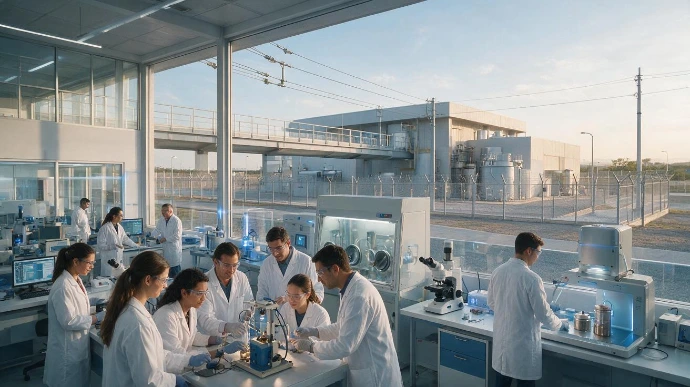
3. Academy: Innovation, R&D and Talent Development
Development of local technological capabilities is the zero step before scaling to power projects, positioning universities and study centers as development hubs.
Research and Training Reactors: Smaller scale facilities that serve as the gateway to the ecosystem. They allow for training the next generation of physicists, engineers, operators, and regulatory authorities.
Materials Science and Applied Research: Platforms for the advanced study of structures at the atomic level, driving patents and innovations in sectors ranging from pharmacology to aerospace.
Institutional Maturity: Articulation of a knowledge ecosystem that provides the country with the operational experience and scientific foundation necessary to safely integrate into the global value chain.
I want to participate:
General Visitor or Golden Pass Speaker I want to be an Exhibitor I want Sponsor